Is It Too Late to Buy or Sell This Year? 

If you’ve been thinking about buying or selling a home this year, you may be wondering if you’ve already missed your chance.

It’s a common question every summer.

The spring market gets all the attention, and by July many people assume they should wait until next year. The reality is often very different.

Depending on your goals, July can actually be one of the best times to make a move.

The Market Doesn’t Stop After Spring

While spring is traditionally the busiest season, real estate doesn’t come to a halt once summer arrives.

In many communities, buyers are still actively searching for homes, especially families hoping to move before school starts and professionals looking to relocate before fall.

Homes continue to sell every week because life doesn’t follow the calendar.

People change jobs.

Families grow.

Empty nesters downsize.

First time buyers become financially ready.

Those life events happen all year long.

Sellers Often Face Less Competition

One overlooked advantage of listing in July is that many homeowners choose to wait until after summer.

That means there may be fewer new listings competing for buyers’ attention.

A well prepared, well priced home can stand out more when there are fewer similar properties available.

Buyers May Have More Opportunities

The intense competition seen earlier in the spring often begins to level out.

Depending on your local market, buyers may find:

  • More inventory

  • Slightly less competition

  • More negotiating opportunities

  • Sellers who are motivated to close before fall

Every market is different, which is why understanding local trends matters.

Don’t Let the Calendar Make the Decision

One of the biggest mistakes buyers and sellers make is assuming the calendar should determine their plans.

The better question is:

Does moving this year make sense for your life?

If the answer is yes, July deserves a serious look.

Five Questions to Ask Yourself

Before deciding to wait, consider these questions:

  • Has your housing needs changed?

  • Do you know how much equity you have today?

  • Would moving improve your daily life?

  • Are you financially prepared?

  • If you wait six months, what changes?

Sometimes waiting is the right decision.

Sometimes waiting simply delays achieving your goals.

Every Situation Is Different

The best time to buy or sell isn’t always when everyone else is doing it.

It’s when the timing works for your family, your finances, and your future.

A conversation about today’s market can help you understand your options and make an informed decision without any pressure.

If you’re wondering whether this summer is the right time to make a move, I’d be happy to help you explore what’s possible.


DEBBIE SPENCER GROUP
REALTOR®, CRS, SRES
m: 617-285-7300
t: 781-860-7300
e: debbie@thedebbiespencergroup.com
1 Militia Drive, Suite 204, Lexington, MA 02421

www.thedebbiespencergroup.com

Debbie-Spencer-Group-KW-Logo

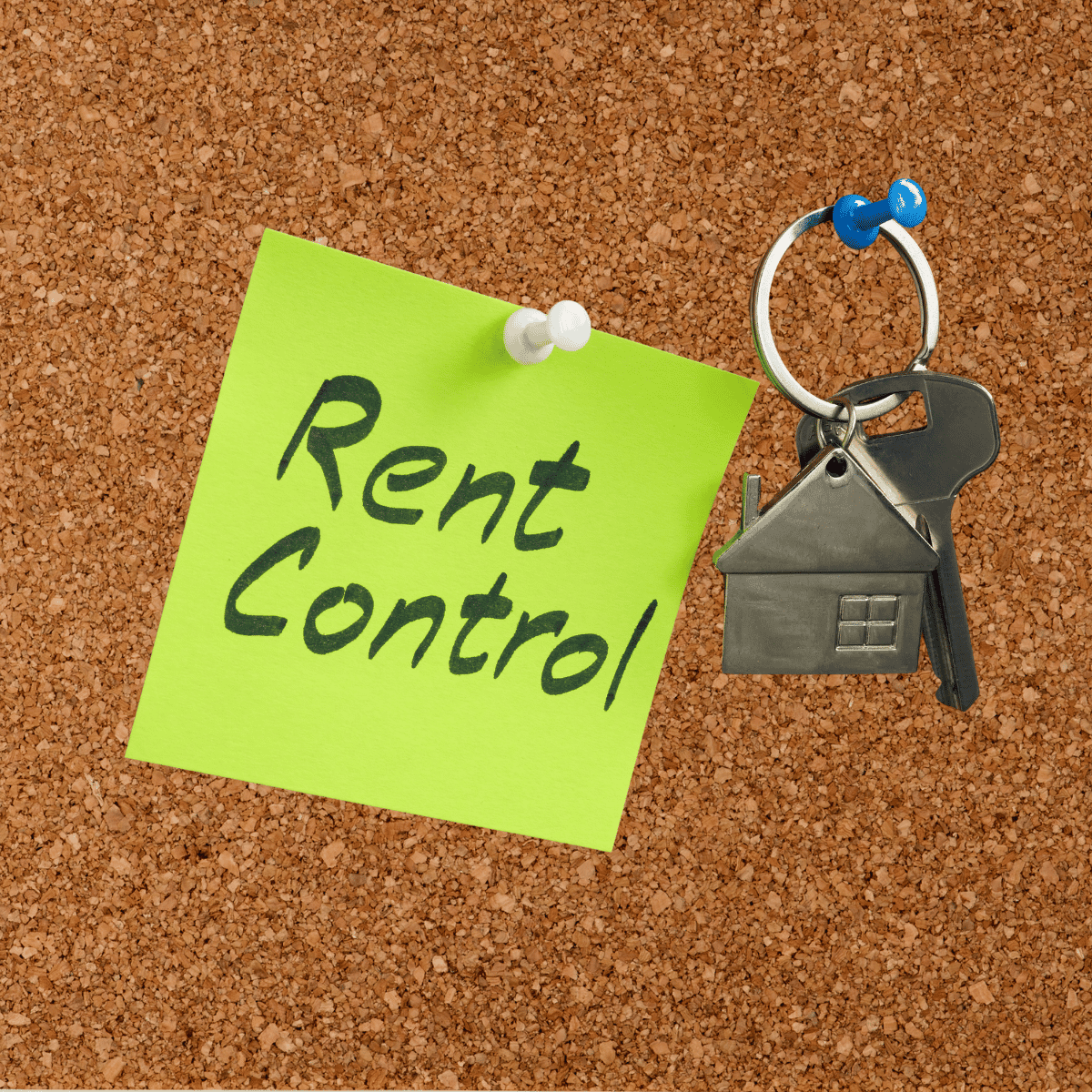
What the Proposed Massachusetts Rent Mandate Could Mean for Homeowners, Renters, and Small Landlords

Massachusetts housing is already under pressure.

Rents are high. Home prices are high. Inventory is tight. Insurance, taxes, repairs, and maintenance costs keep rising. Whether you rent, own, invest, or hope to buy someday, housing policy matters because it directly affects what options are available in your community.

One issue that may be heading to the 2026 ballot is a proposed statewide rent mandate. Before this becomes a campaign slogan on either side, it is worth understanding what the proposal could mean in real life.

What is being proposed?

The ballot question would limit how much rents could increase each year. According to the Housing for Massachusetts flyer, the proposal would apply across all 351 cities and towns in Massachusetts, not just in communities that choose to adopt it locally. The flyer also states that the increase limit would be tied to the annual change in CPI, which has averaged around 2.5 percent, rather than a flat 5 percent cap.

That difference matters because the costs of owning and maintaining property are not always tied neatly to CPI.

In 2025, the flyer notes that Massachusetts property taxes increased an average of 5.1 percent. It also states that Massachusetts home insurance premiums rose 22.8 percent from 2018 to 2023.

When expenses rise faster than income, something eventually has to give.

Why should renters care?

Rent affordability is a real issue. No one should dismiss that.

But the bigger question is whether a statewide rent mandate would create more housing options or fewer.

The concern is that when property owners cannot keep up with rising costs, they may reduce repairs, delay improvements, sell their rental property, or avoid creating new rental housing altogether. That can lead to fewer available rentals, less turnover, and lower quality housing over time.

That is not great for renters. It is also not great for communities that already need more housing.

Why should homeowners care?

Even if you do not own rental property, this issue could still affect you.

The flyer cites a Tufts Center for State Policy Analysis study claiming that the ballot question could shrink the residential property tax base by 6 to 9 percent in municipalities across Massachusetts. It also states that the proposal could reduce property values statewide by $300 billion over ten years, which could put pressure on cities and towns to either cut services or raise taxes elsewhere.

That means this is not just a landlord issue. It could affect municipal budgets, local services, school funding, and property values.

Why small landlords may be hit hardest

When people hear “landlord,” they often picture a giant corporation. But many rental properties in Massachusetts are owned by individuals, families, and small property owners.

According to the flyer, the proposal only exempts buildings with four units or fewer if they are owner occupied. That means someone who owns a small two family or three family home but does not live there could still be subject to the mandate.

For many small landlords, rental income is not a jackpot. It is what helps cover the mortgage, taxes, insurance, repairs, utilities, and long term upkeep. If those costs rise faster than rents are allowed to adjust, many small owners may decide the numbers no longer work.

And when small landlords leave the market, rental options can shrink.

Haven’t we tried this before?

Massachusetts has dealt with rent mandates before. The flyer states that when rent mandates were previously in place, Cambridge lost 2,500 renter occupied housing units over ten years. It also states that after rent mandates were repealed, the Boston area rental market gained 15,000 more rental units than it otherwise would have if the mandates had remained.

Housing policy always has tradeoffs. The intention may be affordability, but the long term result can sometimes be less supply.

The bottom line

Everyone wants housing to be more affordable. The question is how we get there.

A policy that limits rent increases may sound simple, but housing is not simple. Costs rise. Buildings need repairs. Insurance changes. Taxes change. Communities need more housing, not less.

Before voting on a statewide rent mandate, Massachusetts residents should understand the potential ripple effects for renters, homeowners, small landlords, property values, and local communities.

Housing affordability matters. So does housing supply.

The best solutions should help create more housing, protect quality housing, and keep local communities strong.

Have questions about how this could affect your home, investment property, or local market? Reach out anytime. I am happy to be a resource.


DEBBIE SPENCER GROUP
REALTOR®, CRS, SRES
m: 617-285-7300
t: 781-860-7300
e: debbie@thedebbiespencergroup.com
1 Militia Drive, Suite 204, Lexington, MA 02421

www.thedebbiespencergroup.com

Debbie-Spencer-Group-KW-Logo